
Stripping for Steel
Getting it Done: Stripping Flies for Great Lakes Steelhead
Originally Published by RIO Products in October 2026
The North American Great Lakes and their connecting waters comprise the planet’s largest freshwater system, supporting a sprawling and diverse ecosystem with an astonishing array of warmwater and coldwater species. The variety, size, and abundance of game fish that inhabit these waters draw anglers from around the world seeking trophies and adventure in one of fly fishing's last frontiers. In this vast landscape of seemingly endless angling opportunities, it is the oversized migratory rainbow trout – often referred to as Great Lakes Steelhead – that generate the most excitement among locals and pilgrims alike.
My home waters lie on the western end of Steelhead Alley, a tributary-riddled stretch of land along Lake Erie’s southern shoreline that spans northern portions of Ohio, Pennsylvania, and New York. Its famous moniker, which may be traced back to a 1999 Flyfisherman Magazine article by guide, author, and RIO Ambassador Rick Kustich, aptly describes the world-class fishery that has developed in these waters thanks to robust state stocking programs that flood the system with big, aggressive rainbows. Fly anglers can target fish in a variety of ways, but stripping streamers might be the most exciting means of connecting with these silver bullets.
Why Strip Streamers?
Stripping streamers is not an ultra-popular method of chasing Great Lakes chrome. In fact, there are very few people doing it on a consistent basis in Great Lakes waters. It’s certainly not the easiest way to catch them, often producing fewer fish and demanding more effort than dead-drift or swing tactics — to say nothing of conventional rigs offering spawn sacs and live bait. The thrill of the streamer game, however, lies in quality over quantity. It's a thrilling way to fish, routinely drawing savage eats from the most aggressive fish in the system. This prospect alone fuels most streamer junkies, but there are actually some very real advantages to streamer fishing that should not be overlooked. The first of these relates to maximizing available water.
Streamer dreamers aren’t relegated to specific types of water for success, as their craft can be applied to any piece of water and in any direction. This freedom allows them to cover wide swing runs and small pocket water with similar ease in addition to large sections of slow and still water that are unfishable with current-dependent presentations. Many sections of our rivers contain areas of “soft water” like eddies and margins that receive little or no current but often offer depth and structure in the form of troughs, laydowns, and boulders that hold fish. These margins become increasingly valuable in cold weather and high flows when fish hold in slack areas to escape current. Access to all types of water provides versatility to effectively fish in an array of conditions. It's also a means of escaping the crowds that descend on the Alley in peak season and often puts streamers in front of unpressured fish.
Fishing streamers is also a great tactic for exploiting hardwired predatory instincts in fish of neutral or even negative dispositions. Ripping big, sometimes flashy flies past steelhead occasionally induces fierce reaction strikes from otherwise disinterested targets. I've witnessed this on multiple occasions, even in crystal clear water, when a fish simply couldn't resist the urge to peel off and kill a streamer after repeatedly ignoring eggs and nymphs drifted right past its nose. In my experience, forcing fish to make split-second decisions typically favors the angler.
When to Strip
The early fall months of September and October are excellent for targeting fresh fish as they push into the streams while water temps remain warm. Opportunities can be found from beaches surrounding river mouths where steelhead stage before entering the streams. There aren't usually a ton of fish in the rivers at this time, but those that show up are aggressive, maintaining an eagerness to chase and kill bait. As such, streamers are an extremely viable option, and they allow anglers to “power fish,” covering large sections of river to increase the odds of intercepting them.
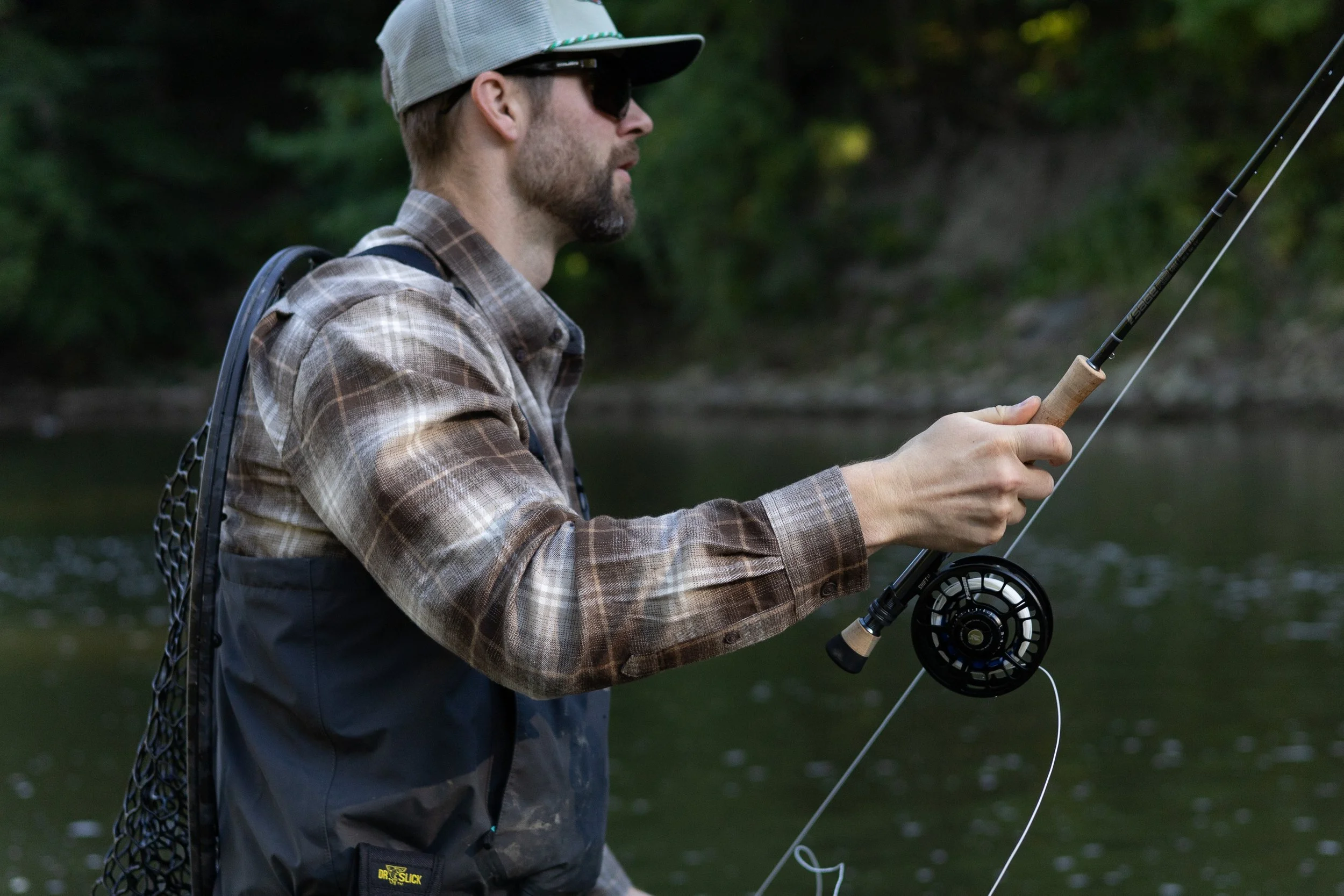
Late spring is similarly eventful, as temperatures begin to climb following a winter of reduced activity. As the water warms, fish are more willing to chase and strike flies from a distance. Late March and April fishing produces a mix of late-running stragglers that behave like those in the early fall, and dropbacks, which actively pursue prey on their way back to the lake. Tactics during these warmwater periods resemble muted bass fishing with moderately paced, erratic retrieves and pseudo swing / strip presentations producing well. Identifying and targeting faster water at the heads of runs and tailouts produces at a high level in the warmer months. Proper line control, especially as it relates to slack, is a vital consideration for controlling the depth, speed, and actions of flies in current. Adding slack between strips puts the angler in command of the fly and can inject pauses into the cadence. Sinking lines and weighted flies are excellent tools for punching through current, putting offerings in the strike zone quickly and keeping them there during retrieves. RIO's Elite Predator line in the floating / intermediate / slow sink configuration is an excellent option here. Its 10-foot, type-3 sink tip keeps flies down in heavy water and during quick or upstream retrieves.
Winter Considerations
Anglers can successfully target steelhead with streamers any time they're in the rivers, but our fish are generally more willing to chase and eat flies during periods of relative warmth. I feel most confident when water temperatures exceed 42 degrees, but relative temperature is often just as important to consider. Generally speaking, our fish are cooperative in stable (even cold) temperatures and when water is warming. Indeed, rapid increases or drops of even just a few degrees can induce voracious feeding or lockjaw, respectively, regardless of the absolute temperature. Exploiting favorable upticks in temperature is an angler’s best weapon in the winter months. Fishing around mid-day and in the afternoon when daily temperatures peak is a great way to even the odds, as are days of high sun and unseasonably warm air temperatures.
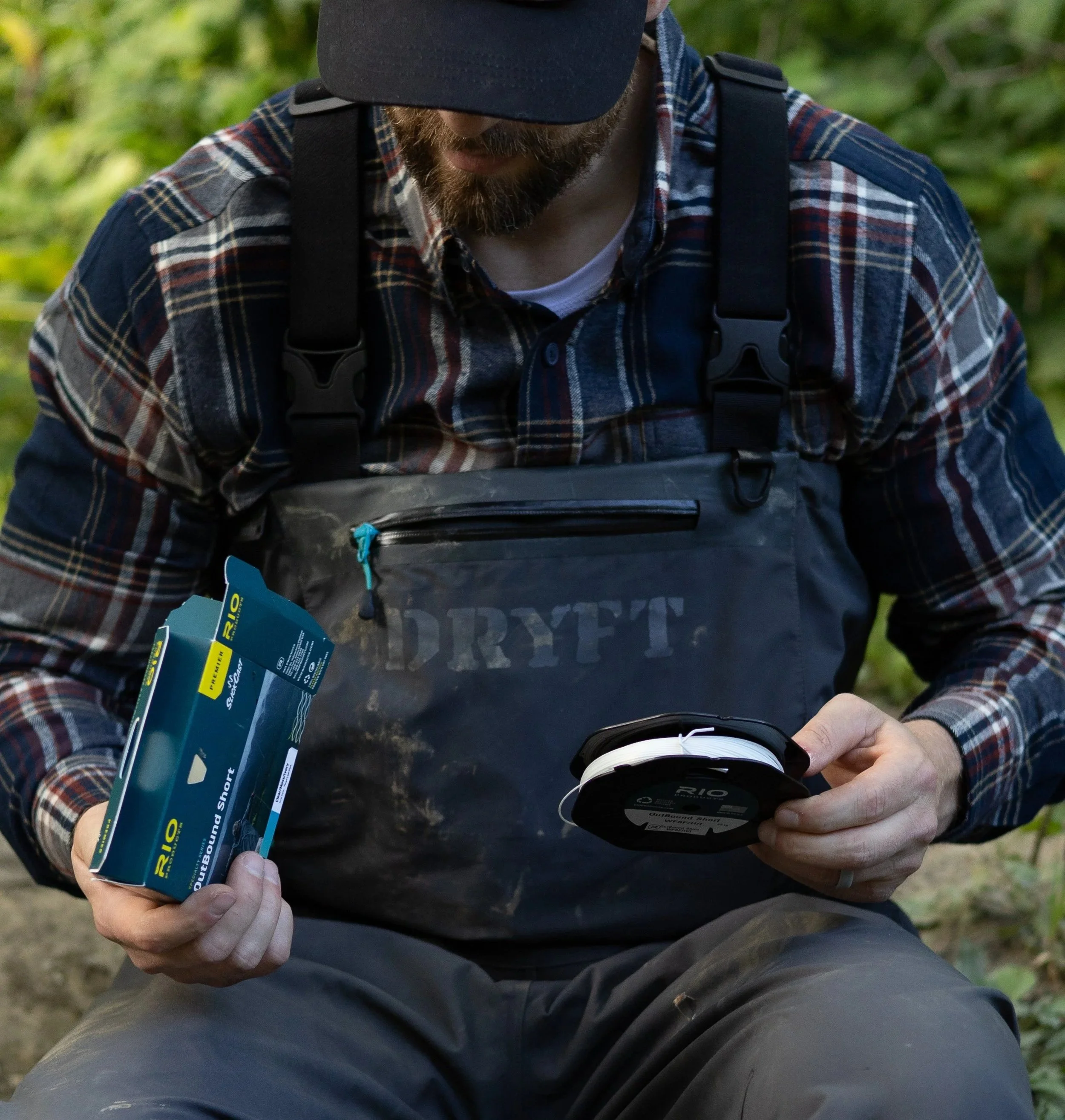
Cold fish don’t want to exert a great deal of effort to strike flies, so anglers should target very specific water and strive to keep offerings in the zone for as long as possible. Flies stripped methodically through the bellies of slow, deep runs and in slack water adjacent to current seams stand a great chance of being eaten. This is best done with intermediate heads and weightless (or very lightly weighted) flies to facilitate slower retrieves through areas with little or no current without snagging bottom. The RIO Outbound Short line in a floating / hover / intermediate configuration is an ideal choice for this style of fishing.
In areas of current, it's wise to implement a pseudo swing / strip presentation, letting the water carry flies through the zone with intermittent ticks and short strips. When the fly reaches the hang down, a big mend toward the near bank can facilitate a slow, stripped retrieve back to the angler through high-percentage slack water, effectively covering the run and the abutting margin with a single cast. Any deeper margins directly adjacent to current present prime targets, having produced a prodigious number of winter streamer eaters for me over the years.
Gearing Up
Rigging up for streamer fishing is refreshingly simple. Nine-foot, seven - and eight-weight single-hand rods are ideal. The Sage R8 Core is wonderfully suited to Great Lakes Steelhead fishing, supplying plenty of power for driving large flies long distances, and progressive flex to keep hooks lodged while fish dart in and out of current. The steelhead is one of the few freshwater species that can expose your backing, so quality reels with smooth, sealed drags are important.
Fly lines, as in all styles of fishing, are some of the most important tools for success. Floating, intermediate, and slow sinking lines are ideal for presenting flies in the smaller, relatively shallow streams of Steelhead Alley. Other beneficial line characteristics I look for include overweighted and relatively short heads with compact front tapers to quickly load rods, minimize false casts, and turn flies over in wind, rain, and snow. As for leaders, eight-foot lengths of 12- to 20-pound fluorocarbon usually work well, and stepping down to 10-pound line can help in low, clear water. Adding an Ahrex Fastach clip to the end of the leader promotes quick and effortless fly swaps without cutting line and retying knots. These replace loop knots and have become the norm for me in all streamer pursuits.
Flies
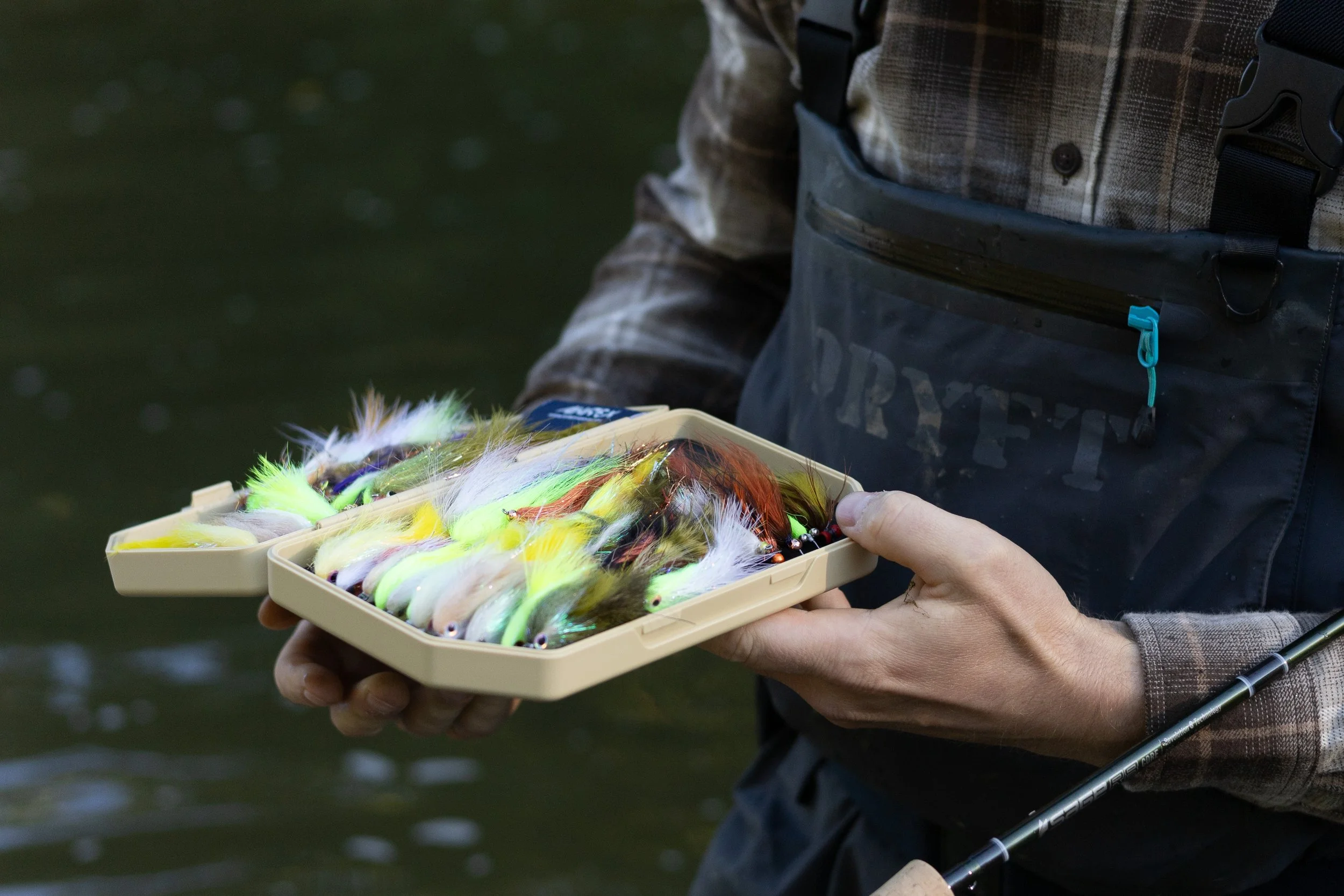
Getting flies noticed is the top priority in the volatile flows and turbidity of our local streams. Building contrast into all flies, both clear and dirty-water patterns, is critical for getting seen. Three-inch, single-hook patterns in natural tones like olive, tan, grey, and white excel when visibility reaches or exceeds about two feet. Small baitfish patterns like the Clouser Minnow and Pinczkowski’s Bad Hair Day are exceptional options, as are Jackrabbits and Jackhammers – two of my patterns that will be available through RIO in 2027. Slightly larger profiles in high-contrast color schemes like fire orange or chartreuse over black or purple rule in dirty water.
Steelhead are notorious short-strikers, mouthing or nipping at the tails of flies when they aren't quite sold on the offering. To net more of these nibblers, our hooks should be placed toward the rear of the fly whenever possible. Many patterns can be modified accordingly by tying them on shanks with trailer hooks fixed on heavy braid or wire. Articulated flies are great options here for their ability to create larger silhouettes with ideally located back hooks. The Jackhammer, another 2027 RIO pattern, sports a single hook behind a shank and has become my go-to fly in most circumstances for its size, density, and contrasting color options.
Getting it Done
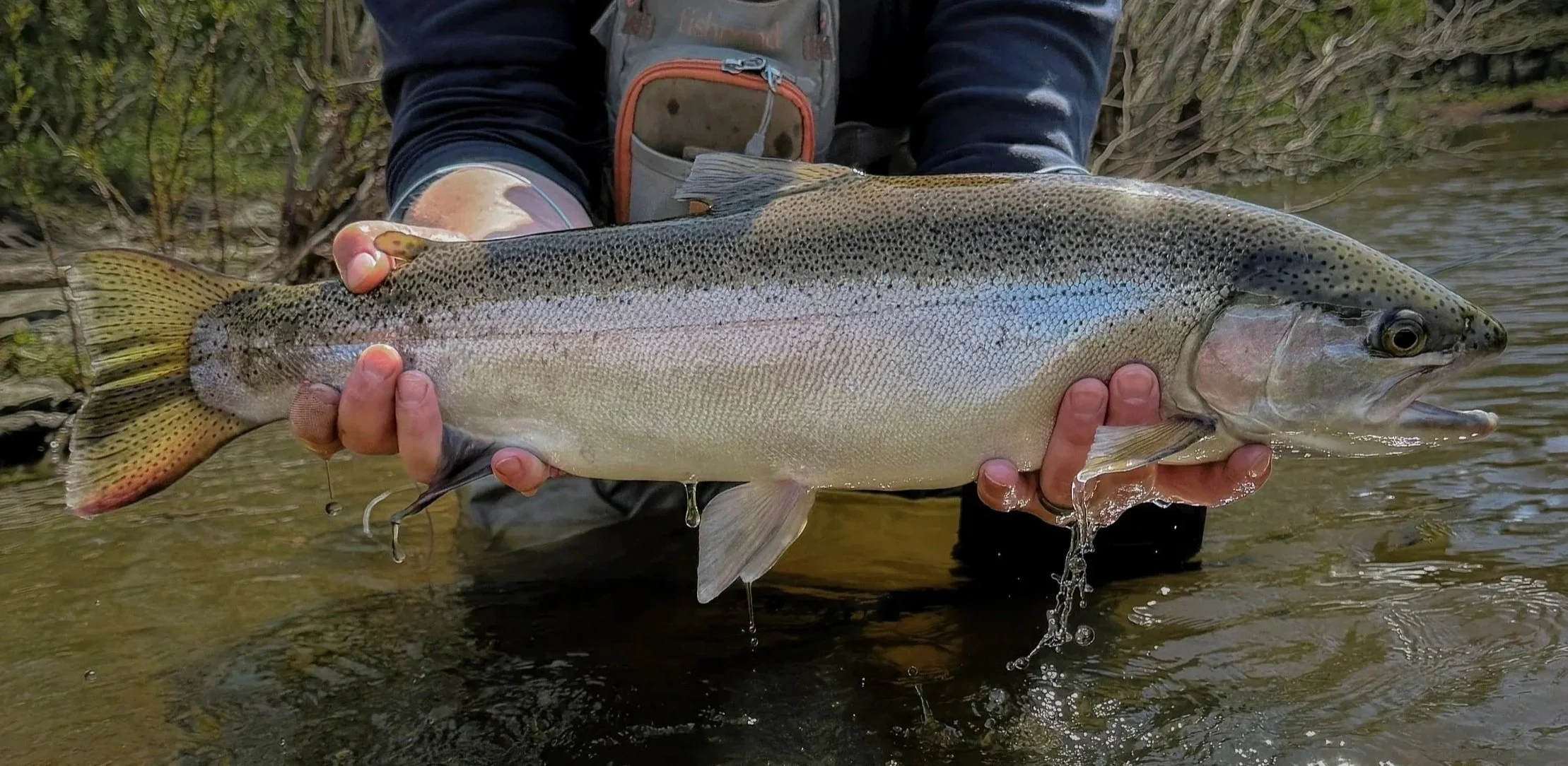
Streamer fishing presents a unique set of challenges and advantages. For a small but growing number of Great Lakes Steelhead enthusiasts, the latter outweigh the former, letting them play the game on their terms. Streamers are versatile, putting all water in play, from the lakes themselves to the furthest upstream access points. They’re low-maintenance, incorporating heavier leaders and minimal knots that need no alteration to cover water of any depth or speed. They’re effective, especially when thoughtfully fished by anglers who understand their quarry, and they repay effort with violent eats that can almost rip the rod from your hand. So, the next time you’re in my neck of the woods, consider reaching for the streamer rig and hold on tight.