Beat The Heat
Beat the Heat: Protecting Trout in Warm Water With Red Kulper
Originally Published by Fly Fisherman in September of 2024
“Why do you fly fish?” Ask ten anglers that question and be prepared for ten different answers. Some anglers fish because it connects them with the natural world. Others love the challenge of the chase and the exhilaration of the eat. Guilty. Still others might use it to escape from the day-to-day stressors of life that seemingly pile up as we age. There are over 7.5 million fly anglers in the United States, and while we all may have our own motivations, we all have one thing in common – we like to catch fish. Thus, protecting our local fish populations is in all of our best interest, and it’s created a climate in which catch and release practices have become the dominant form of fly fishing.
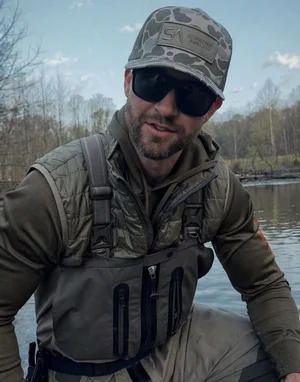
Being a catch and release angler, however, entails more than simply tossing fish back in the water. Red Kulper, Creative Leader at G. Loomis, describes catch and release angling as “ensuring our fish are minimally impacted by our interactions.” This entails handling protocols that can vary from species to species and which become more important under certain environmental conditions. Trout, in particular, are highly sensitive to water temperature and are negatively impacted by warm water angling – an issue that draws a great deal attention in trout-rich locations like Montana, the fly-fishing mecca and Kulper’s backyard. Many famous rivers, however, remain heavily fished regardless of their temperature, which Kulper believes is largely due to a lack of education on the part of anglers – especially those who visit from out of town. “Many people just don’t know. When someone prepares for a destination fishing trip, they research information to help them catch fish – and understandably so. They’re looking for info like what flies to use and where to fish. They’re usually not seeking information related to fish safety.” Legal restrictions associated with water temperatures help where applicable, but anglers should arm themselves with information in order to both catch and care for the fish they pursue.
The Impact on Trout
Trout are ectotherms, meaning their body temperatures are determined by the water in which they swim. Warm water slows their metabolisms, weakens their immune systems, and makes them lethargic. Additionally, as water warms it contains less dissolved oxygen, fatiguing fish more easily and making recovery difficult following capture. Physical handling, air exposure, and warm water often combine to elicit greater and more noticeable reflex impairments and disorientation in trout. Look for impaired eye movement, muted or milky coloration, and an inability of the fish to hold itself upright or swim away strongly. When any of these behaviors are present, anglers should support the submerged fish in an upstream orientation until it swims away. We should, however, seek to avoid causing these impairments in the first place.
Becoming informed regarding our target species is important too, as different species of trout have different temperature thresholds at which they become stressed. Research tells us that cutthroats experience significant physiological stress when water temperatures exceed 60 degrees, brook trout at 65 degrees, and rainbow and brown trout at 68 degrees. Anglers operating in water near these thresholds should practice specific handling techniques to minimize stress on fish and avoid delayed mortality following release.

Fish Handling
Kulper recommends making encounters as minimally invasive as possible, which starts with bringing the right tools with you to the water. “Number one is a thermometer,” he says. Anglers should always carry a thermometer and regularly check water temps. Online stream gauges are also helpful, but their data can be ddelayed,and they may not provide information for the specific stretch of water you are fishing. Using heavier tippet to shorten the fight with a hooked fish can help mitigate the stress and fatigue it experiences. Carrying silicone nets allows anglers to keep fish submerged for fly removal, minimizing slime disruption and damaging force from being held – a key consideration. Using barbless hooks, which have been shown to drastically reduce mortality rates in angled trout regardless of water temperature, can expedite the hook removal process. Kulper notes that there are creative ways to photograph fish without picking them up, but he recommends that anglers wishing to hold a fish for a picture should wet their hands and lift the fish from the water for no more than three seconds. Essentially, anything we can do to shorten the overall interaction and minimize the handling of the fish will give it the best chance to survive the encounter.
When One Door Closes…
When water gets too warm, even the best fish handling protocols fail to protect trout, and we should cease fishing for them altogether. Kulper takes a rather conservative approach and leaves trout alone when water temperatures exceed 63 degrees. He views these occasions as opportunities to challenge himself and explore new waters. “The fish is the finish line,” he says. “It’s all the work that goes into tricking a wild animal to eat that’s worthwhile – and you can do that in so many places with so many species.” Exploring new water and different species makes us more well-rounded anglers because it presents us with new sets of challenges to overcome and forces us to learn new skills and tactics to find success.
He also values the solitude it often brings, a welcome respite from the crowded stretches he typically frequents. Anyone who fishes regularly can appreciate this sentiment. Theres nothing like spending a day on the water without seeing another angler. There’s no waiting at crowded ramps, no leapfrogging other boats, and usually the fish aren’t overly pressured. Warm water species like carp, smallmouth bass, largemouth bass, and panfish are all excellent fly rod fish that are widely distributed across the United States and can provide epic fishing. They can tolerate considerably higher temperatures, making them perfect options for the dog days when trout are out of play. Stripping streamers through eddies and along current seams for smallmouth bass can be electric fishing. So can pitching dries to sipping carp or ripping deer hair poppers around lily pads for largemouth. Musky, pike, freshwater drum, bowfin, the list goes on and on. Incredible angling opportunities are out there for those who look for it.
Lead By Example
We all want our fisheries to thrive. Taking the time to educate ourselves regarding the fish we pursue allows us to properly interact with them on the water. Kulper believes proper fish handling is important for the fish you catch, but it also sets a good example for others on the water. “When new or inexperienced anglers see fish being properly cared for, they are more likely to do the same,” he says. A little internet research, or even better, speaking with local guides and fly shop employees, can help us all do our part to protect the sport we love. Consider giving your trout a break when the weather heats up and challenge yourself in new ways. You may find the warm water game to be just as fulfilling, and you’ll return to your regular beat with more tools in your tool belt. No matter the temperature, treat your fish like the valuable resource they are and encourage others to do the same.