
10 Tips for Fishing on A Budget
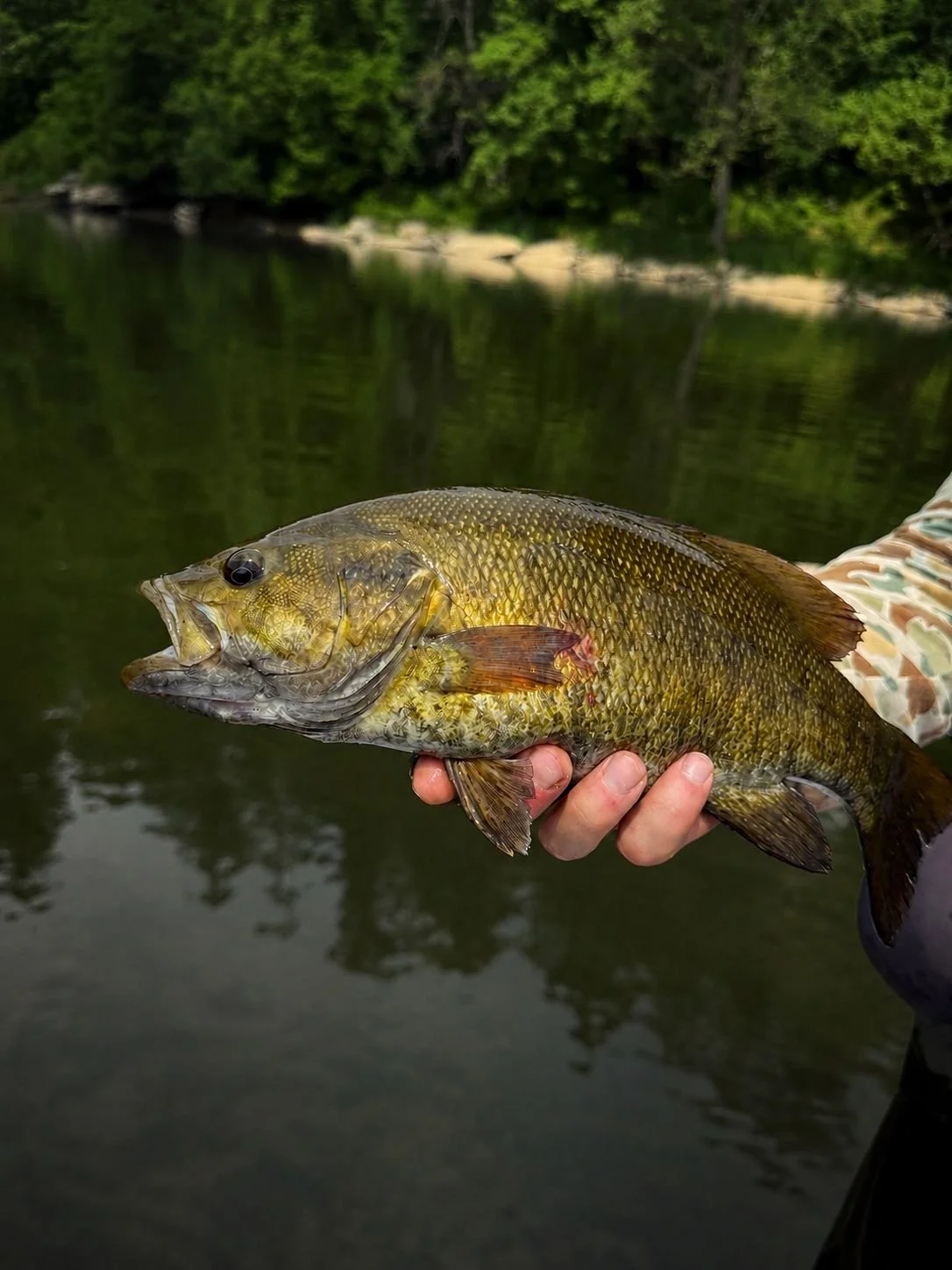
Fly Fishing can be expensive. Indeed, sticker shock is one of the greatest barriers preventing prospective anglers from taking the plunge into the vast world of the fly. Just Google “fly rod,” and see how long it takes to find an ad for a $1,000 rod. Spoiler alert – it won’t take long. In fairness, just about any hobby can quickly become expensive, but the high cost of fly gear, coupled with additional hurdles like casting, deciphering the unique languages of rod weights and fly lines (what the hell is a tippet?), and the elitist stigma attached to our sport, is enough to dissuade even the most interested parties from giving it a try.
There are, however, ways to mitigate expenses, and exactly how many of your hard-earned dollars you’ll need to spend is largely in your hands. High-end pieces of equipment are going to have their advantages, and they’re great if you can spare the cash. But for those with less expendable income, there are ways to stay in the game without a huge financial commitment. The following are 10 tips to help you enjoy all the thrills and satisfaction of fly fishing without draining your bank account.
1. Buy and sell second-hand
Not all of your equipment has to be new. The quality of modern fly gear is generally very high, and with that quality comes durability. Items manufactured by reputable brands can be expected to perform for quite a while, and often much longer than they are wanted or needed by their original owner. I’ve bought and sold dozens of items on sites like Facebook Marketplace, Craigslist, and Offerup. Fly gear like rods, reels, and packs, if well-taken care of, routinely sell on these sites at between 50% and 60% of their original price. There are also plenty of marketplace sections on fishing forums and blogs that are worth perusing, and they can put top-notch products in your hands for a fraction of the original cost. It’s also worthwhile to consider selling the gear you no longer use to fund new purchases.
2. Fish entry level equipment
The quality of fishing gear has increased substantially over the last couple of decades, and that applies to products at all price points. There are some outstanding entry-level rods, reels, and lines out there. Companies like Scientific Anglers, RIO, St. Croix, and Echo Fly Fishing stand out for their excellent quality that trickles down to even their most inexpensive models. The proficiency of these more affordable options appeals to newbies and seasoned anglers alike. After all, the fish don’t care how much you paid for the rod – a skilled presentation is what seals the deal. If you’re new to the sport, or branching out to new species or environments, start with an inexpensive setup. You can always upgrade later if you want to.
3. Tie your own leaders
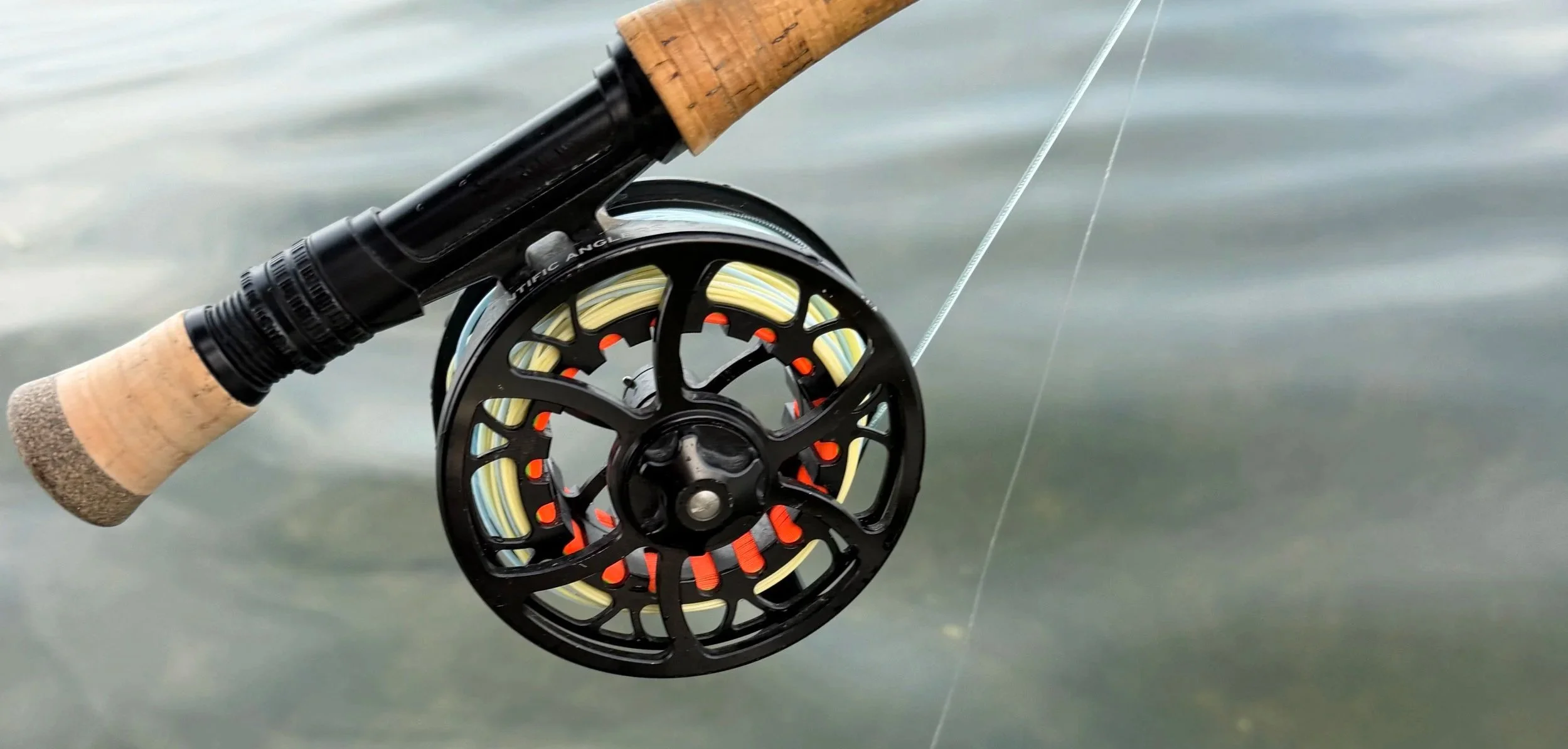
If you can tie a few simple knots, you should tie your own leaders. Don’t get me wrong, manufactured tapered leaders are great, but you’ll save money by buying a selection of leader material and making them yourself. This also allows you to create any length and taper you need for a given scenario. It’s also worth noting that the material doesn’t necessarily have to be fly fishing specific. Leaders and tippet produced and marketed exclusively for flyfishing are great - but they are pricey. I used Berkley Vanish fluorocarbon for years, and a spool of it lasts multiple seasons.
4. Tie your own flies (sort of)
Generally speaking, fly tying probably doesn’t save anyone money. Each fly pattern calls for a certain list of materials. Each of those materials cost money, and most of them aren’t cheap (looking at you, chicken feathers). This reality multiplies with each new pattern you want to tie, making tying a potentially very expensive endeavor. Under certain circumstances, though, DIY flies can save an angler some cash. For instance, if there are a couple flies that you enjoy fishing, and they’re effective in your waters, it’s not a bad idea to tie them yourself. We all have our confidence patterns, and we deploy them regularly. These stalwart flies will always be in the rotation, and you’ll go through them relatively quickly, so tying these yourself with high quality materials would be a good idea. It’s when tying transforms from a utilitarian effort into a second hobby that it no longer qualifies as a budget-friendly activity. Otherwise, you’ll end up with a basement full of fur and feathers, and your wallet won’t be any fatter for it. If tying isn’t your thing, then be sure to purchase high quality flies from a respected retailer. Flies can be found all over the internet, but you want the durability, quality, and consistent performance that come with products produced by time-tested brands like RIO Products and those found in your local fly shop.
5. Research before buying
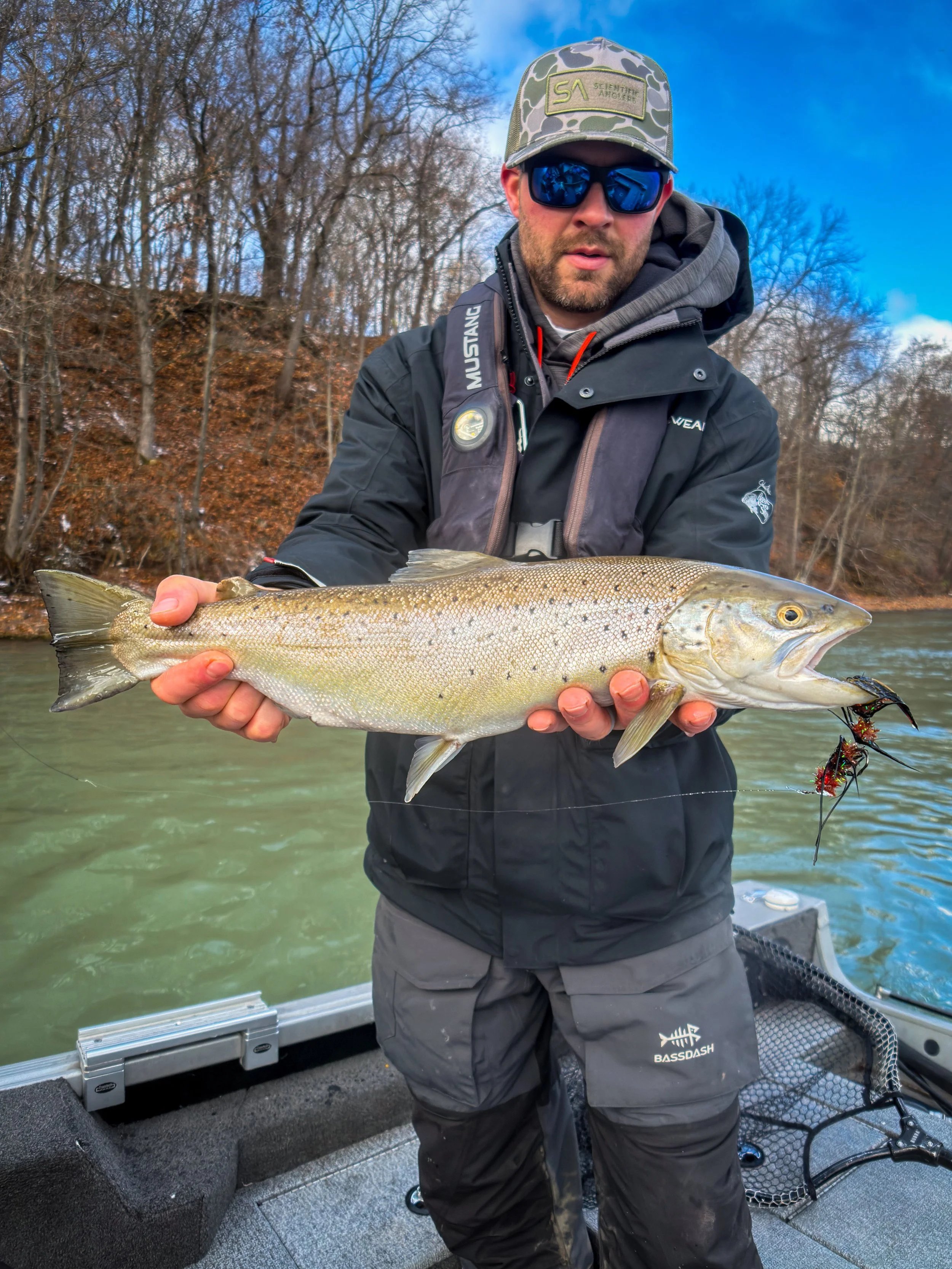
Do your homework before making a purchase. Ensure the product is of high quality, but also that it fits your needs. Product reviews are easy to find online, and they’ll provide tons of valuable insight. It’s even better, though, to contact your local fly shop. These men and women possess a great understanding of both the product and the type of fishing you are wishing to pursue. They are experts, trained by years of experience and industry partnerships, and they will point you in the right direction. Many times they will even have the item on hand, so you can cast a rod or try on waders and boots before you buy them. Purchasing flies, rods, reels, and lines that don’t meet your needs is an inefficient use of funds.
6. Shop sales
Patience can save you money. Black Friday, President’s Day, and the Fourth of July come every year, and you can find some deep discounts when they do. It’s very common to find sitewide promotions offering 20% to 30% off during these holiday sales. Signing up for virtual newsletters and notifications from your local fly shop or favorite online retailer can keep you informed of these sales, and help you find products at super reduced rates. Impulse buys often cost you more, so wait it out and spend less. Do your research in advance and be ready to pounce when those deals go live.
7. Don’t over-buy
Not all species require high-end equipment. Smallmouth bass are not permit. You don’t need a salt water-grade reel with the silkiest drag to catch most freshwater fish, and in fact the size and relative tameness of these species often renders your reel a glorified line holder. Similarly, you can get away with a lesser degree of accuracy from a budget rod in most situations. Understanding your quarry will allow you to gear up appropriately. It’s also wise to purchase equipment that can serve you in multiple ways. For instance, an angler wishing to pursue both bass and great lakes steelhead may purchase a 7-weight rod as an alternative to buying both a 6wt and an 8wt to cover the two species. There are some specific situations, however, when this may not be desirable.
8. Take care of your equipment
It turns out leaving tangled, wet waders in your tuck bed overnight in the winter is bad for them. I found that out the hard way. Breaking down, cleaning, and properly storing equipment will drastically increase its lifespan, requiring you to make fewer purchases. This is especially true in saltwater environments.
Organized storage also reduces the risk of misplacing or breaking equipment. Cleaning and dressing fly line are two often-overlooked practices that will increase both the line’s longevity and performance. If you take care of your equipment, your equipment will take care of you.
9. Coats are coats
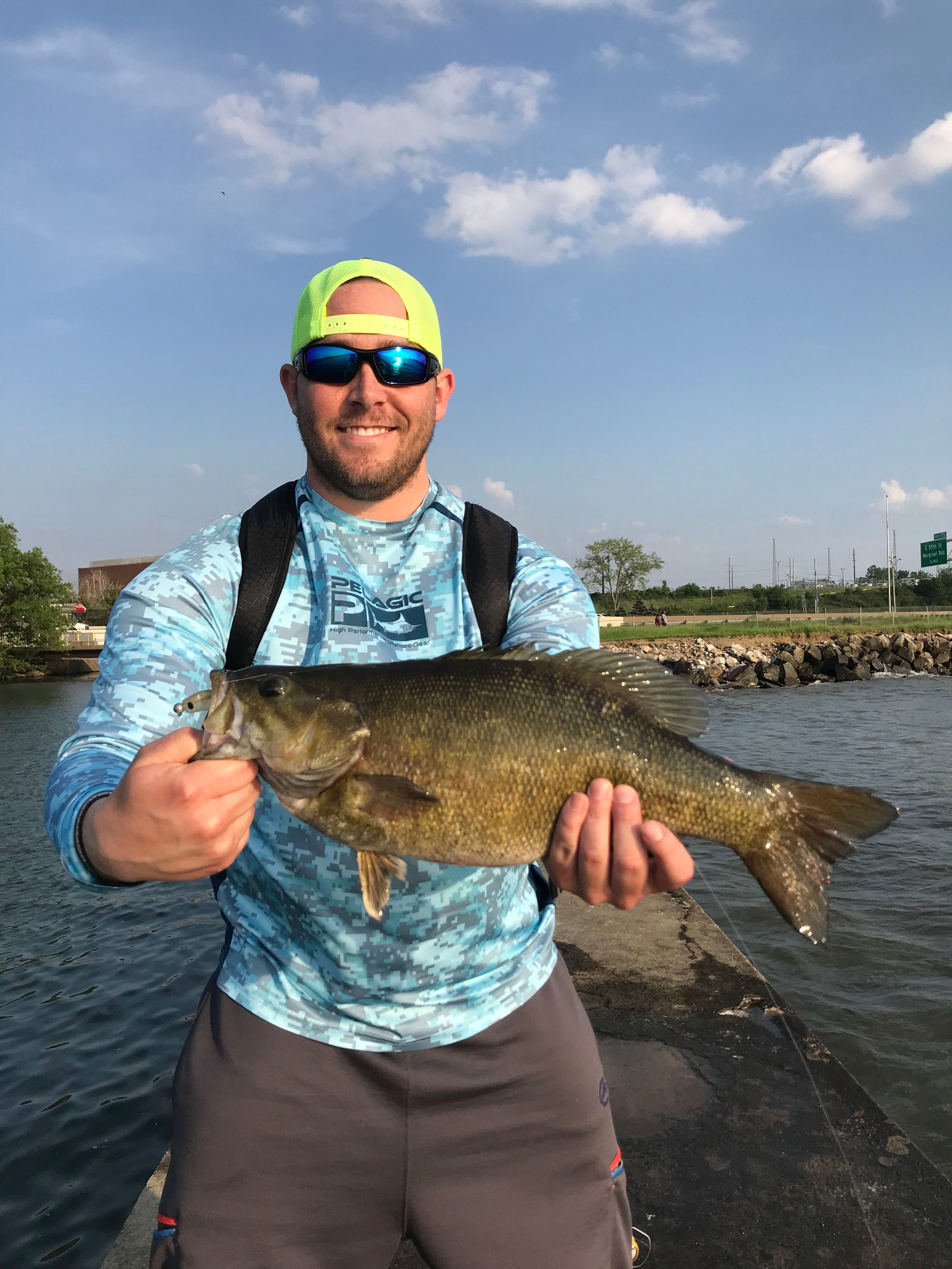
You don’t need to be decked out in the latest fly fishing gear and apparel to crush fish. I mean you can, and there’s certainly nothing wrong with it, but it’s not necessary. I’ve caught lots of winter fish while wearing layered sweats and coats from Costco. You don’t need to sport a flashy logo to enjoy your time on the water. This applies to hats, gloves, rain gear, nippers, fly boxes, packs, nets, you name it. There are many inexpensive options out there that can do the job. Name brand swag will have all the bells and whistles, but in reality, these are luxury items that the budget angler can do without.
10. Fish local
Fly fishing isn’t just great in exotic locations. Saltwater trips and extended stays in foreign lodges are awesome, but they can be exceedingly expensive experiences. If you can swing it, then by all means go for it, but there are opportunities to cast a fly all over the place. Warm water species like smallmouth bass, largemouth bass, bluegill, and carp likely live within only a few miles of wherever you’re sitting right now. Northern pike, musky, bowfin, and freshwater drum are all also widely distributed in many areas of the country, and certain regions have epic salmon, trout, and steelhead fisheries to take advantage of. Exploring local opportunities is both inexpensive and fulfilling, and it can help you maintain a more consistent fishing calendar. Speak with local guides or fly shops to learn more about what your region has to offer, and get out there.